Islamic modest wear is not a single solution, but a universe rich in cultural, regional, and personal variations. Each garment has its own story, its own spiritual meaning, and its own unwritten stylistic rules. This guide helps you navigate it with awareness.
In this article
The hijab: the everyday veil
The hijab is the most common head covering among Muslim women. It covers the head and neck, leaving the face exposed. There are numerous tying variations: the classic wrap, the pre-tied, the turban style, and the draped jersey. Fabric choice is crucial: chiffon is light and ideal for warm seasons, jersey perfectly adapts to the shape, and satin adds shine for formal occasions.
Practical tip: For everyday hijab, viscose jersey is the most popular fabric: it doesn't slip, breathes, and doesn't require pins. For special occasions, draped satin-chiffon adds volume and presence.
The khimar: ample coverage
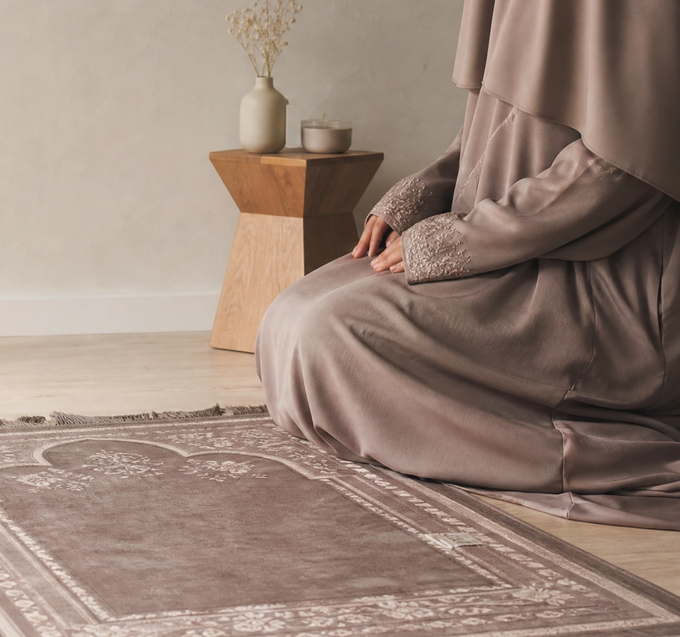
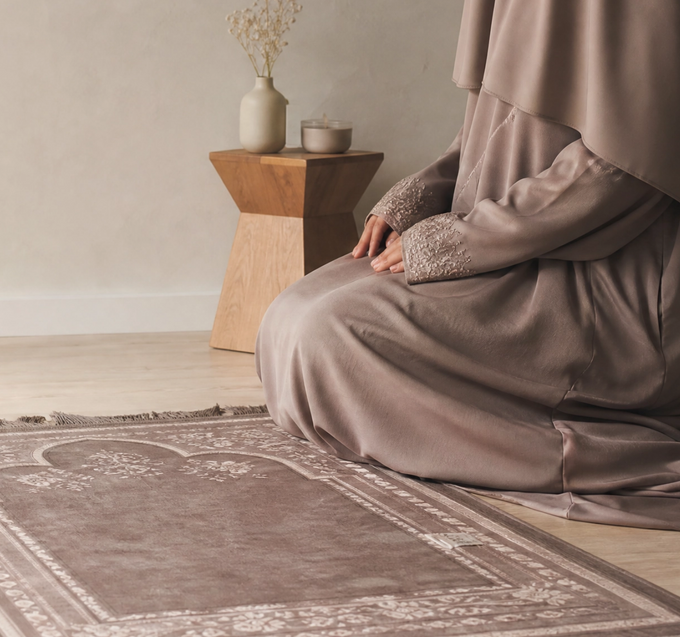
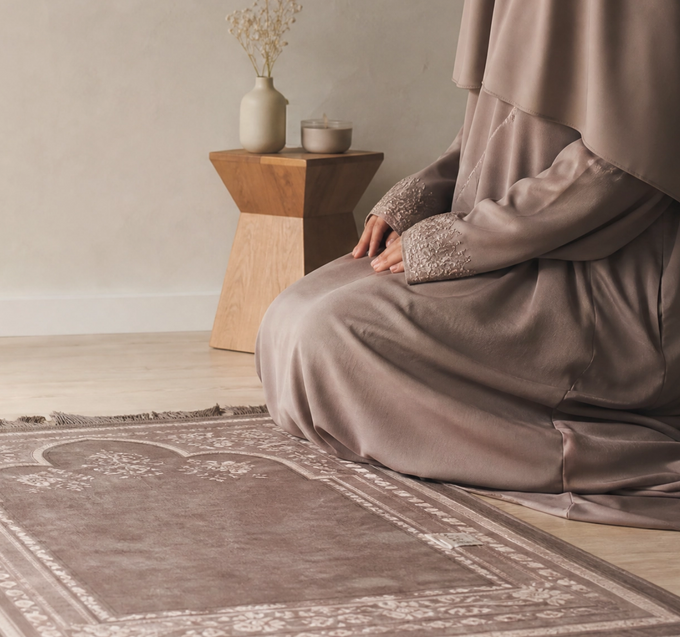
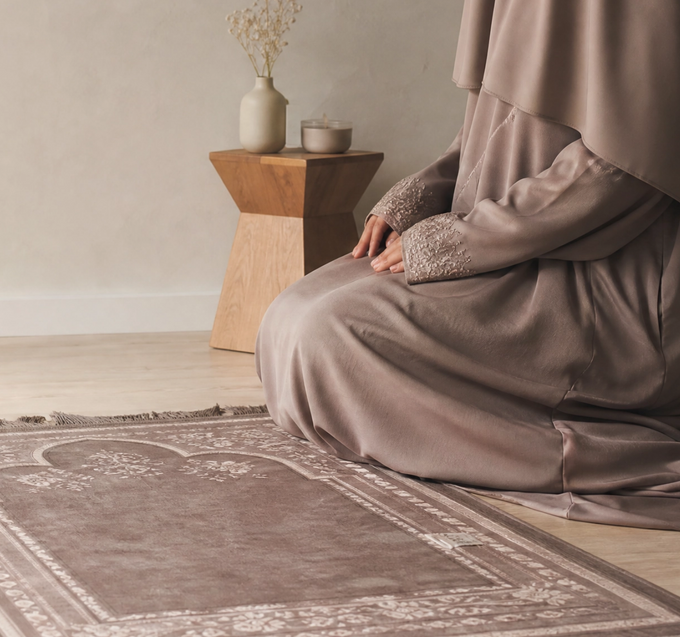
The khimar is a long garment that covers the head, shoulders, and chest, typically stopping at the waist or lower. Mentioned in the Quran (24:31), the khimar represents for many women a choice of wider coverage than the standard hijab. Contemporary models combine functionality and design.
The abaya: Gulf elegance
The abaya is the traditional long overgarment from Gulf countries. Originally black, today it exists in infinite variations: pastel colors, golden embroidery, bell sleeves, open-front styles. The classic fabric is black crepe, but modest wear fashion has skillfully brought abayas in linen, double chiffon, silk blend, and even organza for the most important occasions.
The jilbab: structured modesty
The jilbab is a loose overgarment that covers the entire body except for the hands and face. It is the preferred garment for many sisters looking for a practical solution to completely cover their daily outfit without sacrificing style. More modern models include jilbabs with elastic waists, coordinated versions with khimars, slim-fit or loose models.
The niqab: a spiritual choice
The niqab covers the face, leaving only the eyes visible. For women who choose it, it represents a deep expression of taqwa and modesty. Modern niqabs are made of lightweight fabrics (nida, chiffon) and often include a second layer that can be lifted for comfort.
Tips for every occasion
- Daily work/study: Jersey hijab + slim abaya in neutral colors
- Formal occasions: Chiffon khimar + embroidered abaya or coordinated ensemble
- Sports and outdoors: Stretch sports hijab + high-waisted modest activewear
- Wedding: Satin or organza abaya, ivory/champagne/navy colors
- Ramadan and Islamic holidays: Ensemble in warm colors (terracotta, emerald green, deep navy)
Frequently asked questions
What is the difference between hijab and khimar?
The hijab is a head covering that covers the head and neck. The khimar is a longer garment that also covers the shoulders and chest. Both leave the face exposed, but the khimar offers wider coverage.
How do you choose the size of an abaya?
An abaya is chosen based on height rather than body size. Measure your height and compare it with the indicated length (usually 52"-58" for heights from 160cm to 175cm).
How do you wash chiffon and satin garments?
Hand wash in cold water or machine wash on a delicate cycle at 30 degrees C. Avoid tumble drying and lay flat to dry.
Are Saliha garments available in plus sizes?
Yes, all our abayas and jilbabs are available up to size XXL/XXXL.